Strong turnout for Helsinki kick-off symposium
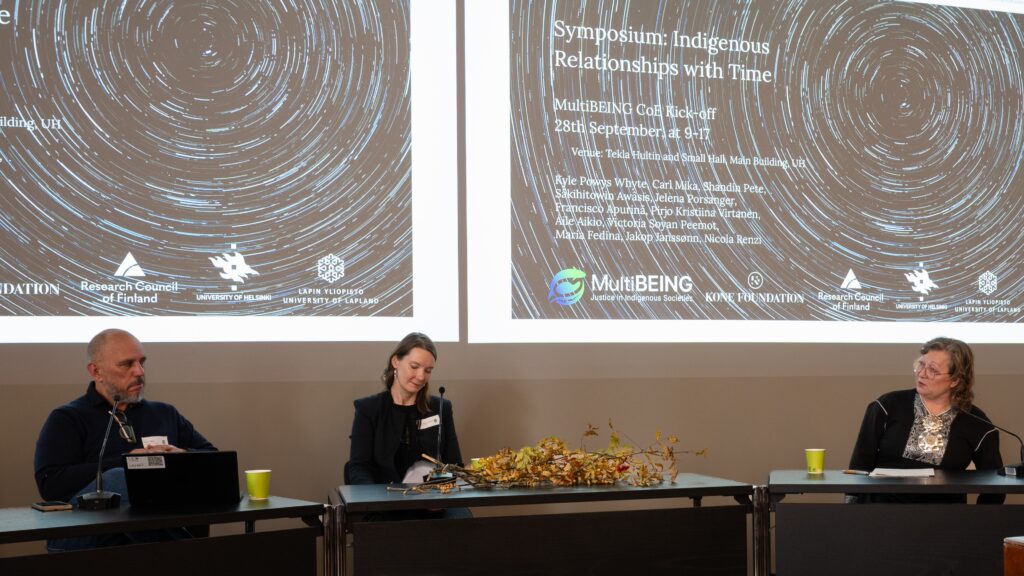
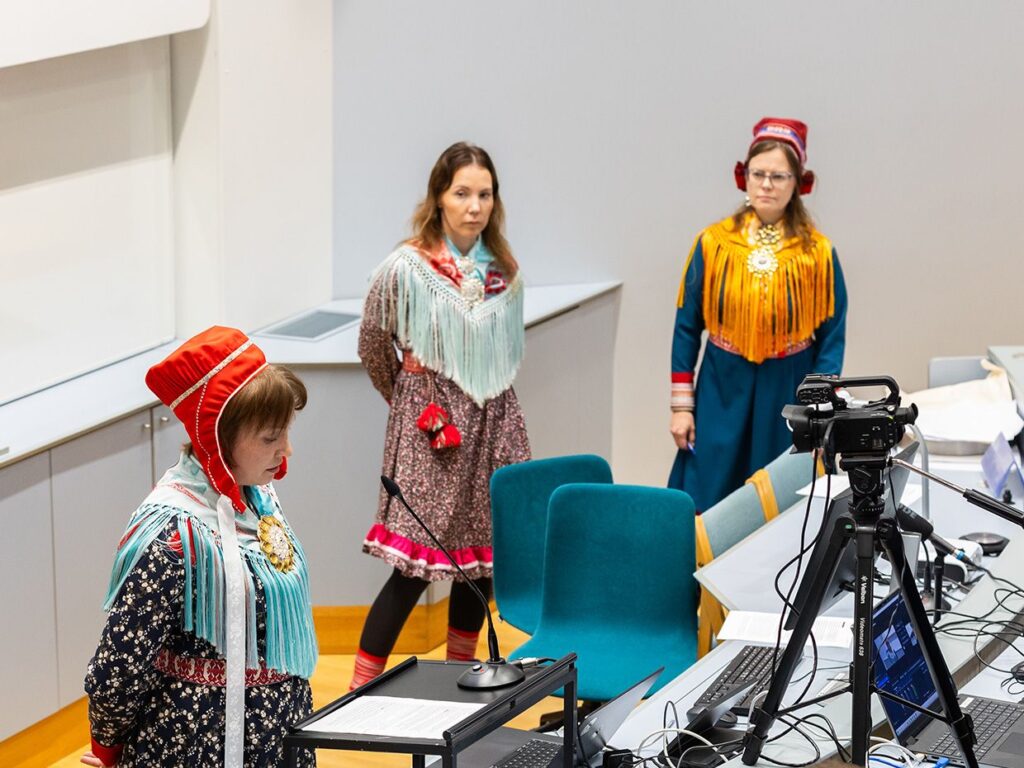
The CoE’s kick-off symposium at the University of Helsinki attracted exceptional interest and brought together a large and diverse audience of scholars, artists, knowledge holders, students and members of the public. The event offered a rich programme of internationally renowned speakers and vibrant discussions on Indigenous conceptions of time, relationality and more-than-human flourishing.
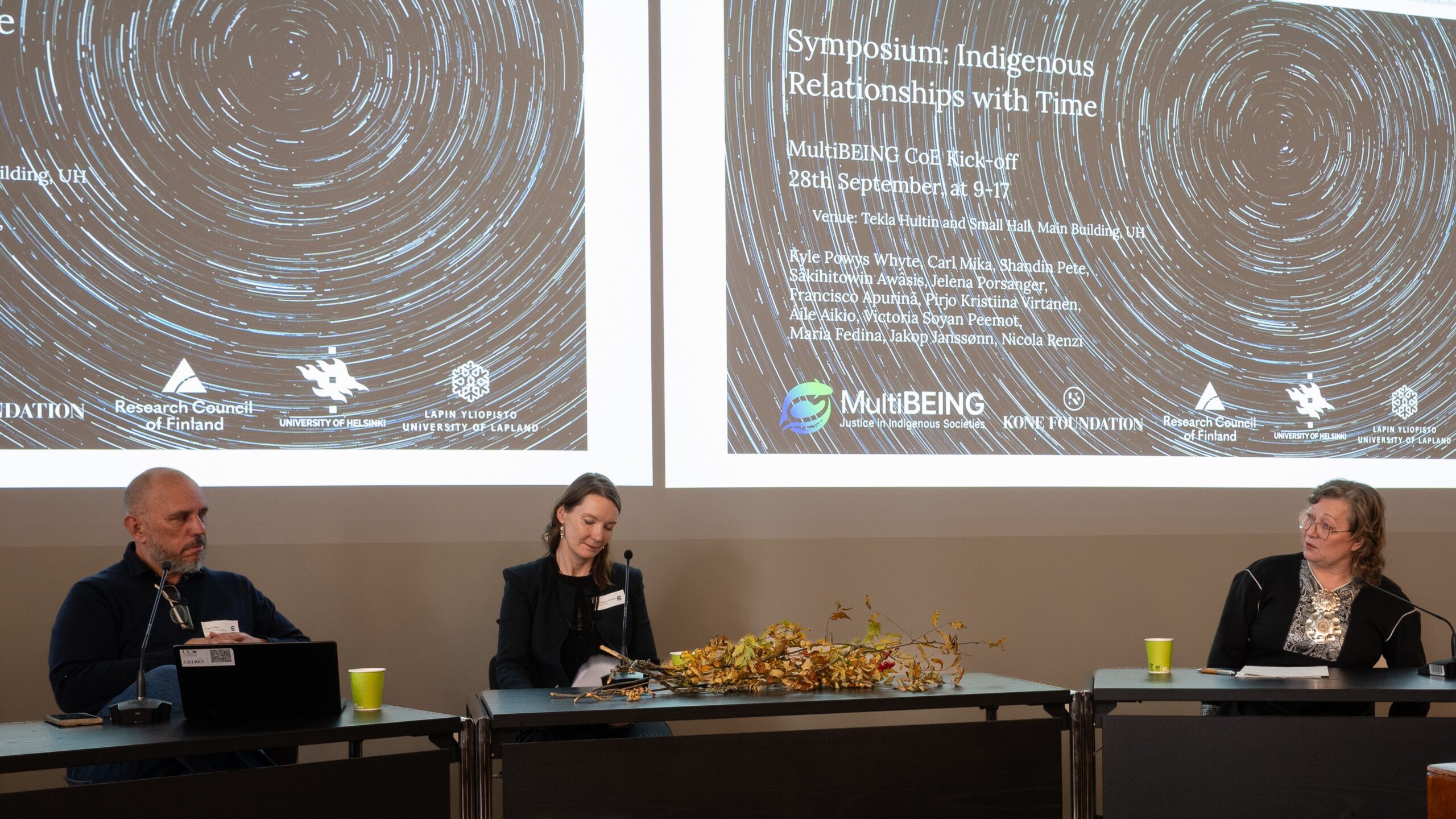
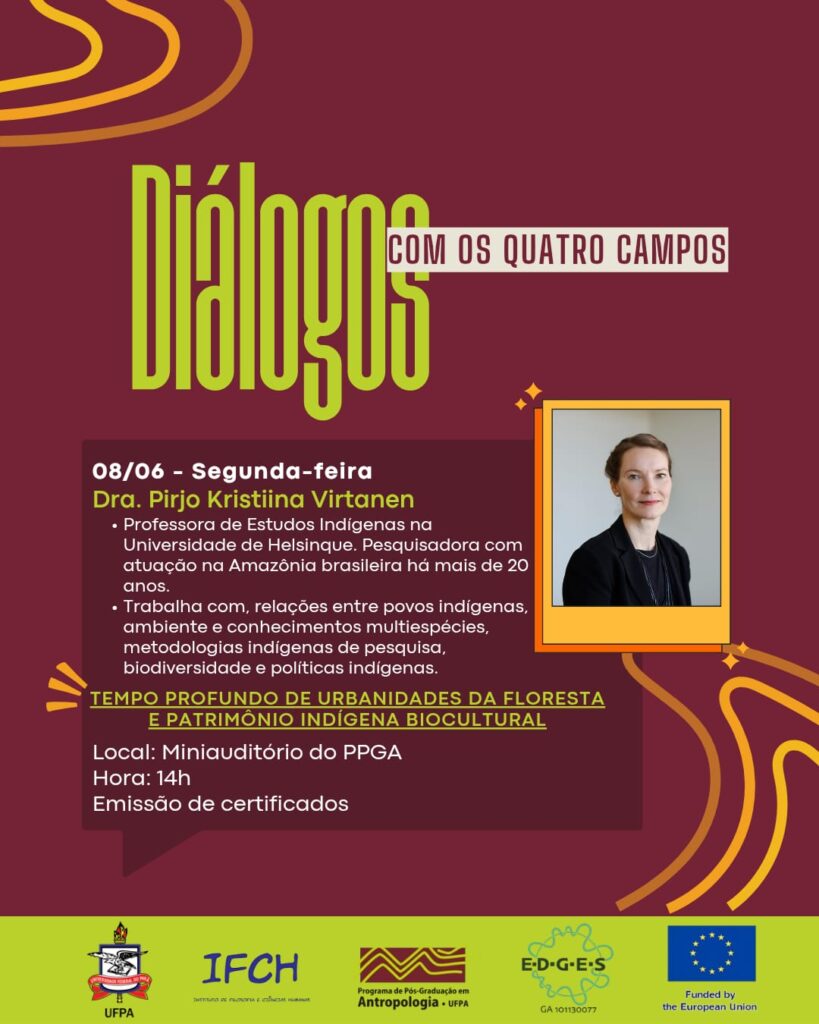
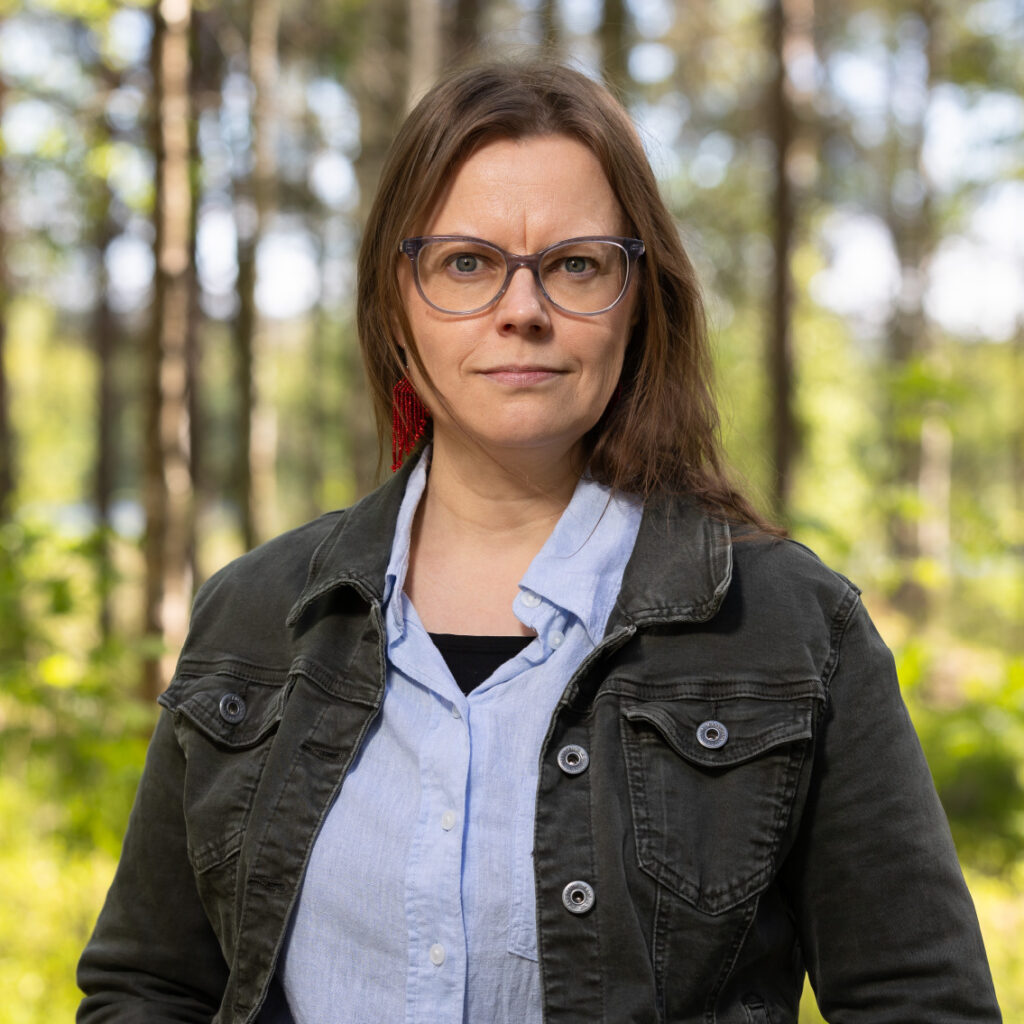
Our CoE’s Helsinki kick-off symposium, Indigenous relationships with time, welcomed a capacity audience on 28 September 2026. The event generated considerable interest both within and beyond academia, bringing together participants from a wide range of disciplines and backgrounds. It also served as the final event of the Biocultural heritage and non-linear time project, funded by the Kone Foundation and led by Pirjo Kristiina Virtanen (University of Helsinki).
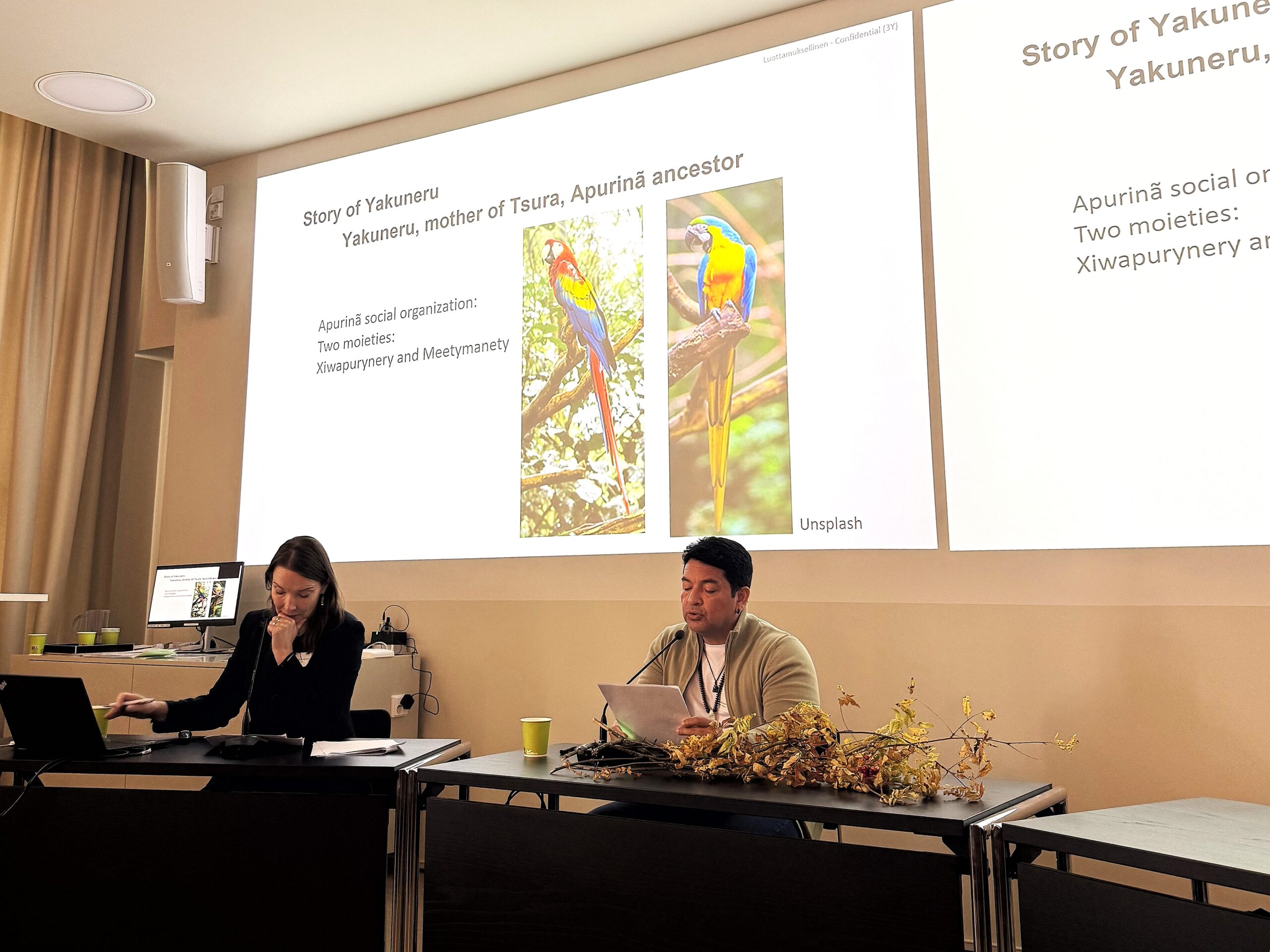
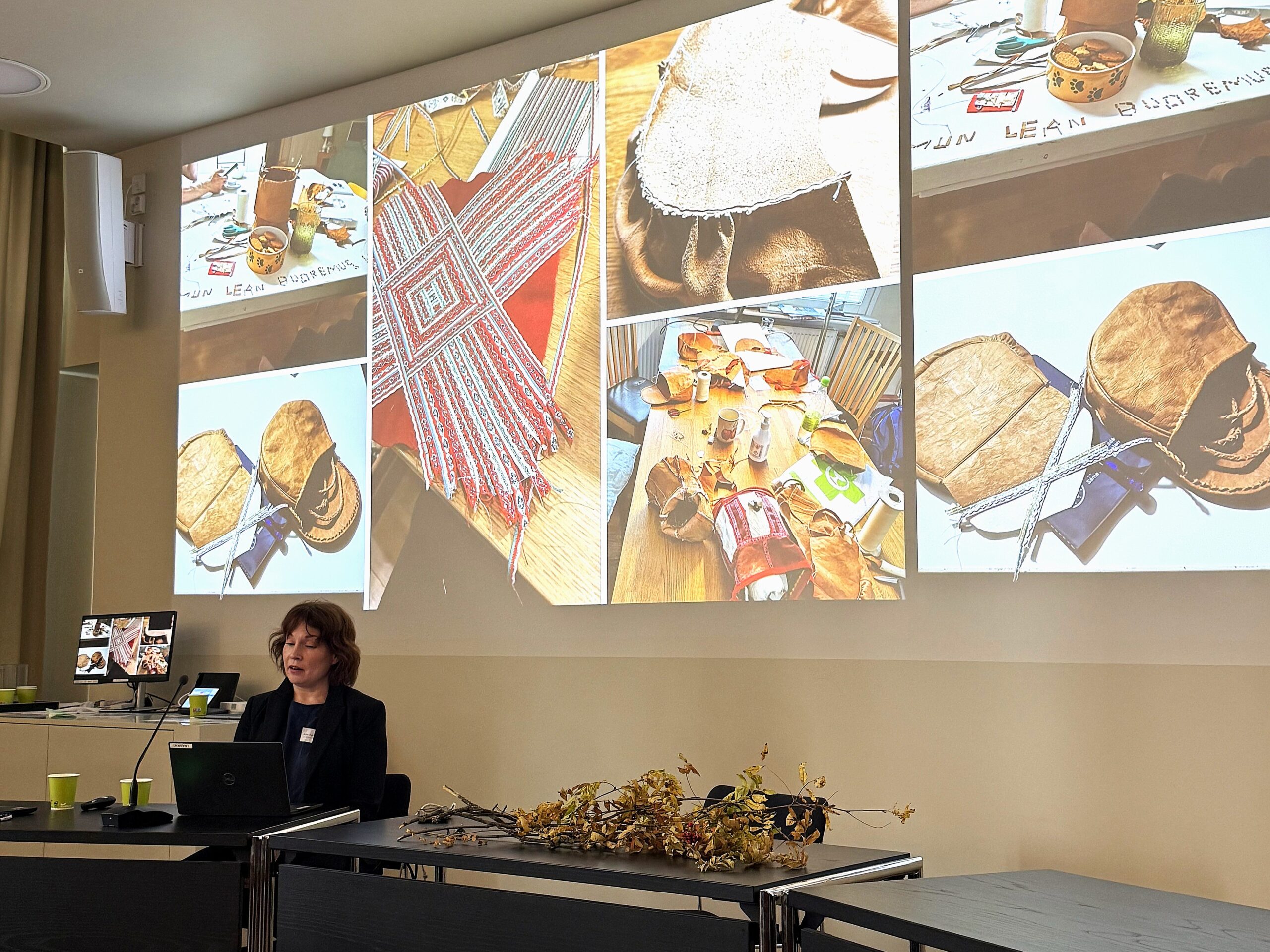
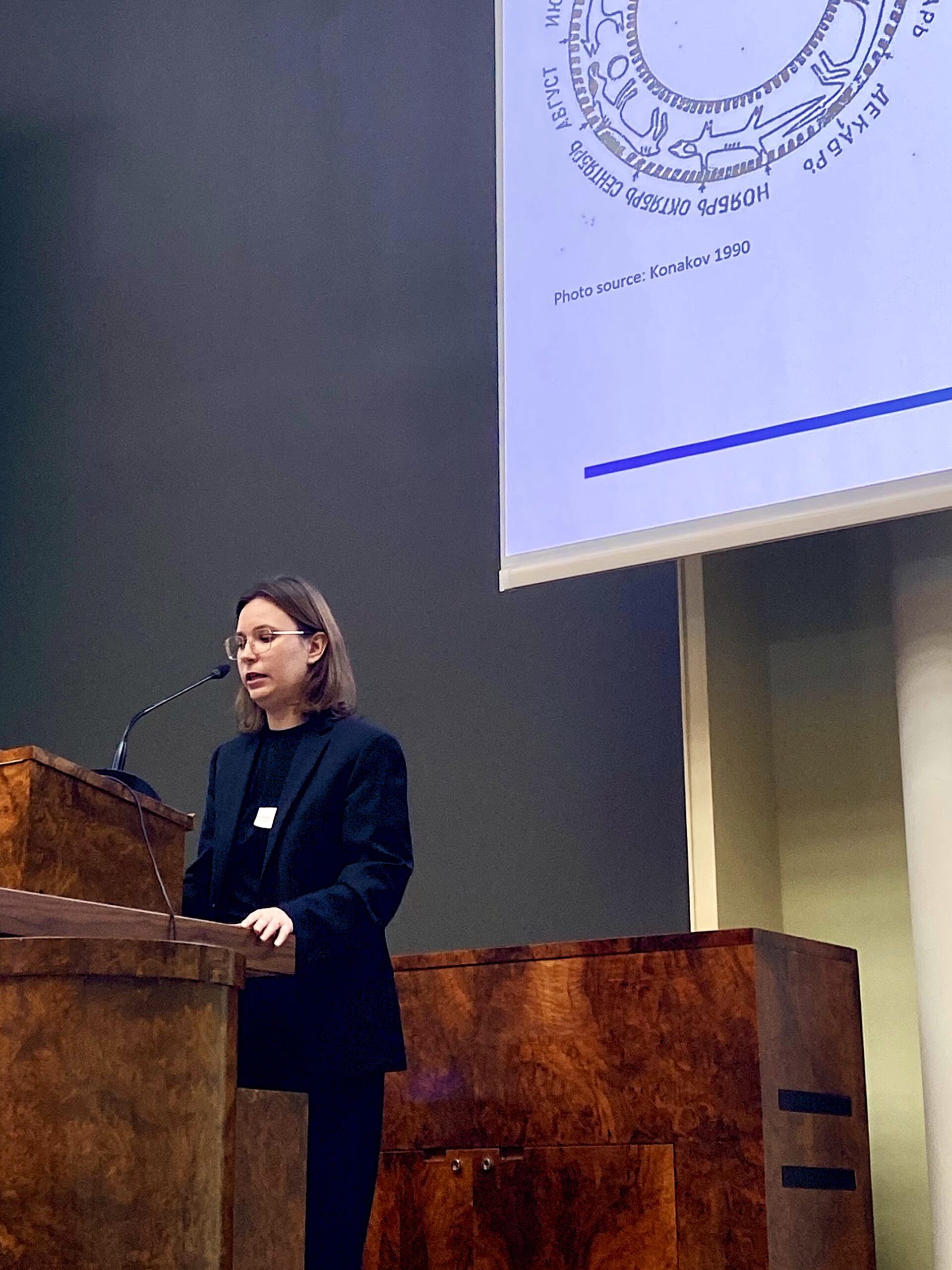
Throughout the symposium, internationally recognised Indigenous and non-Indigenous scholars, artists and knowledge holders explored Indigenous understandings of time, kinship, responsibility and more-than-human relations. They shared perspectives on topics including traditional calendars, seasonal and astronomical knowledge, ancestral connections, and the significance of these perspectives for contemporary discussions on justice, sustainability, governance and collective futures.
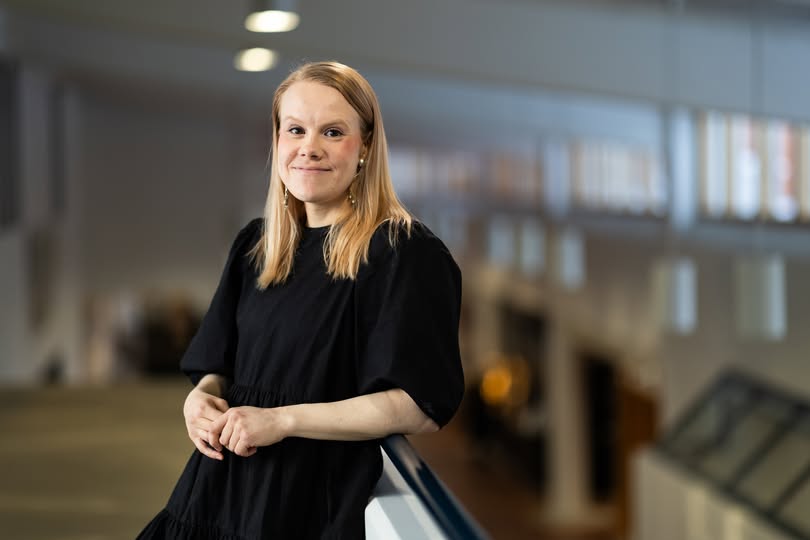
The symposium opened with welcome remarks by Vice-Rector Kai Norlund, followed by an introduction to the CoE by Professor Pirjo Kristiina Virtanen. The keynote session featured Carl Mika (University of Canterbury) and Jelena Porsanger (University of Helsinki/RiddoDuottarMuseat), whose inspiring presentations set the stage for a day of engaging dialogue. Subsequent sessions explored Indigenous philosophies and practices from Sámi, Apurinã, Anishinaabe, Komi, Mongolian, Salish and other Indigenous contexts.
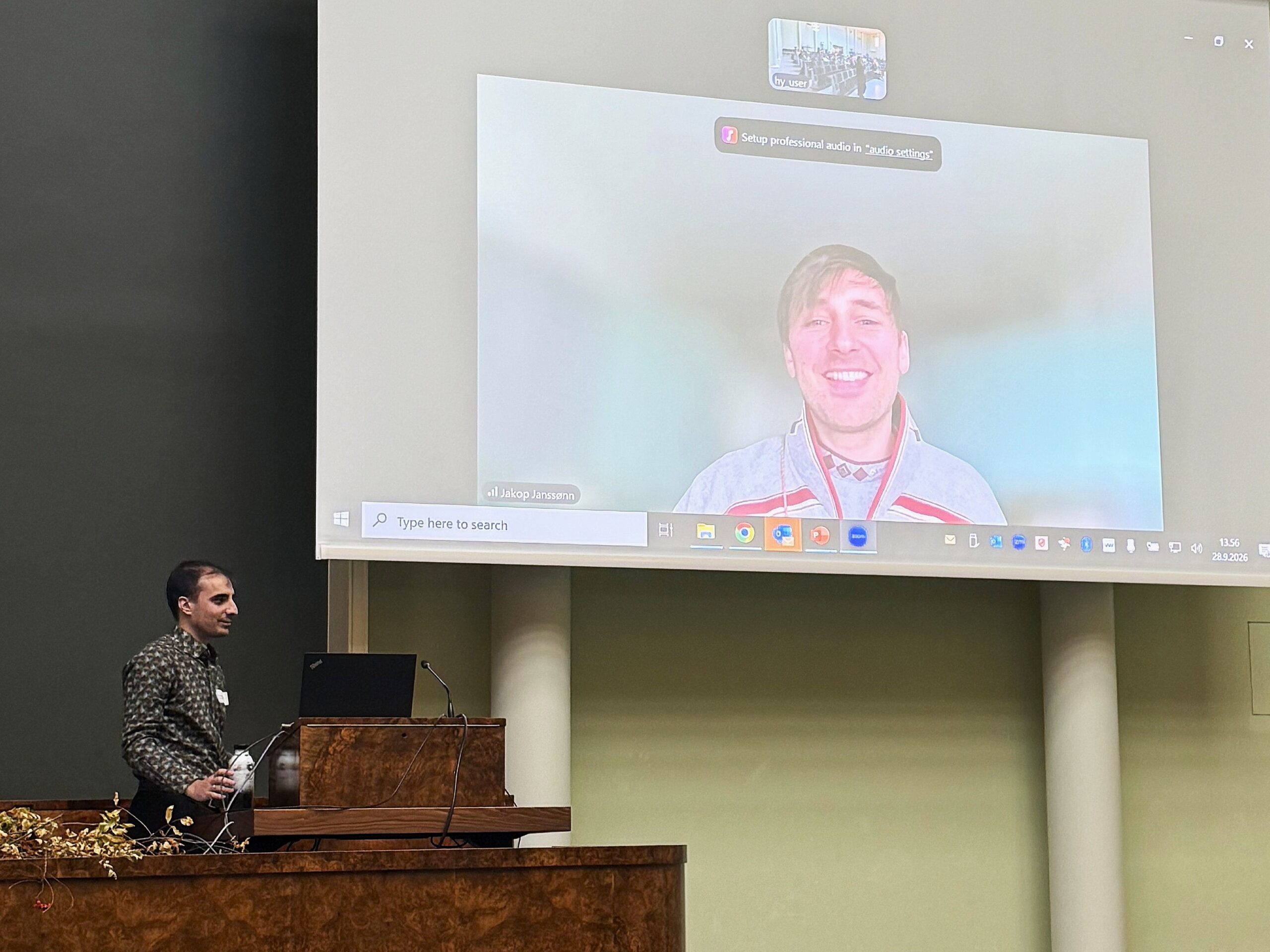
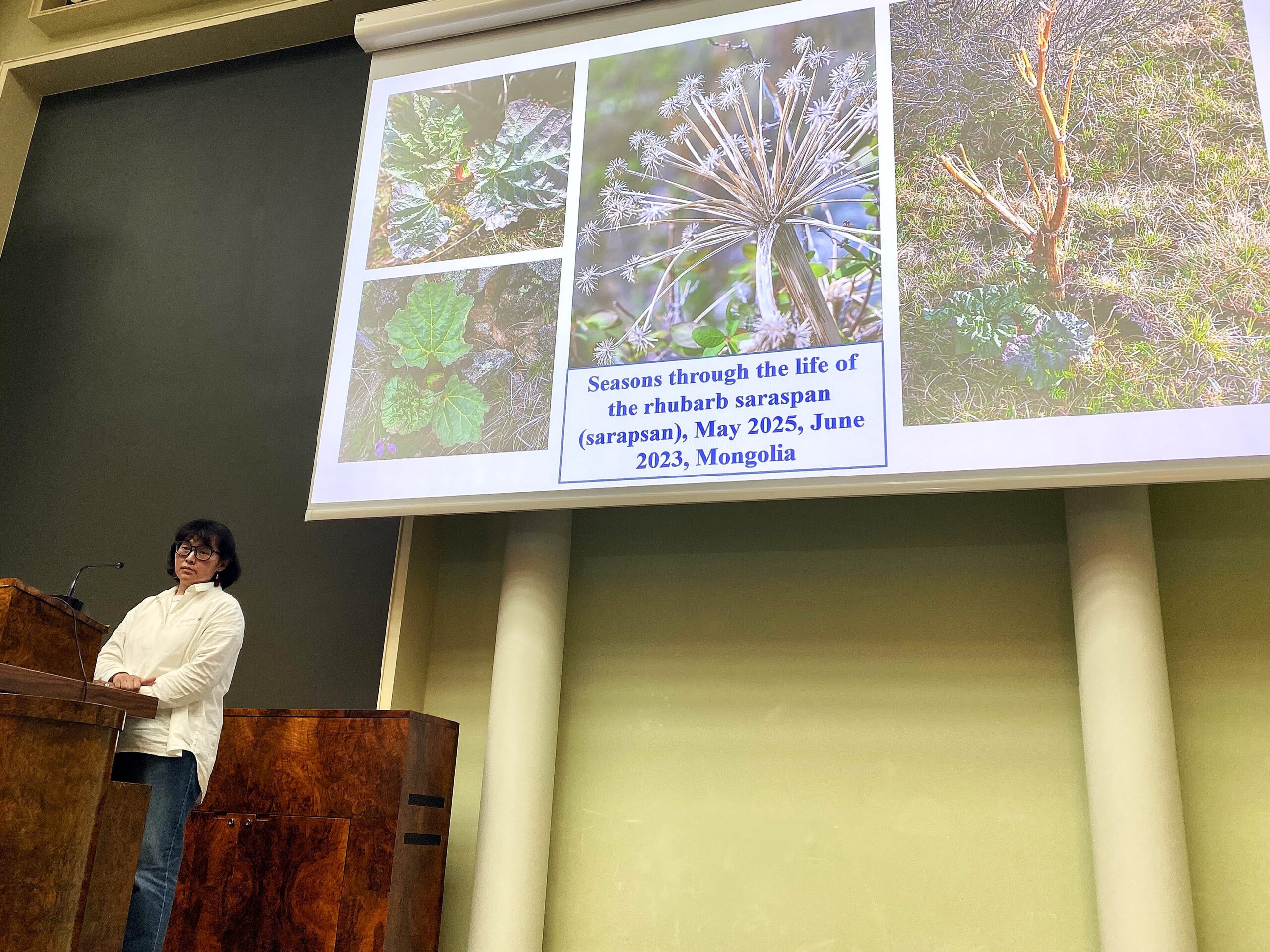
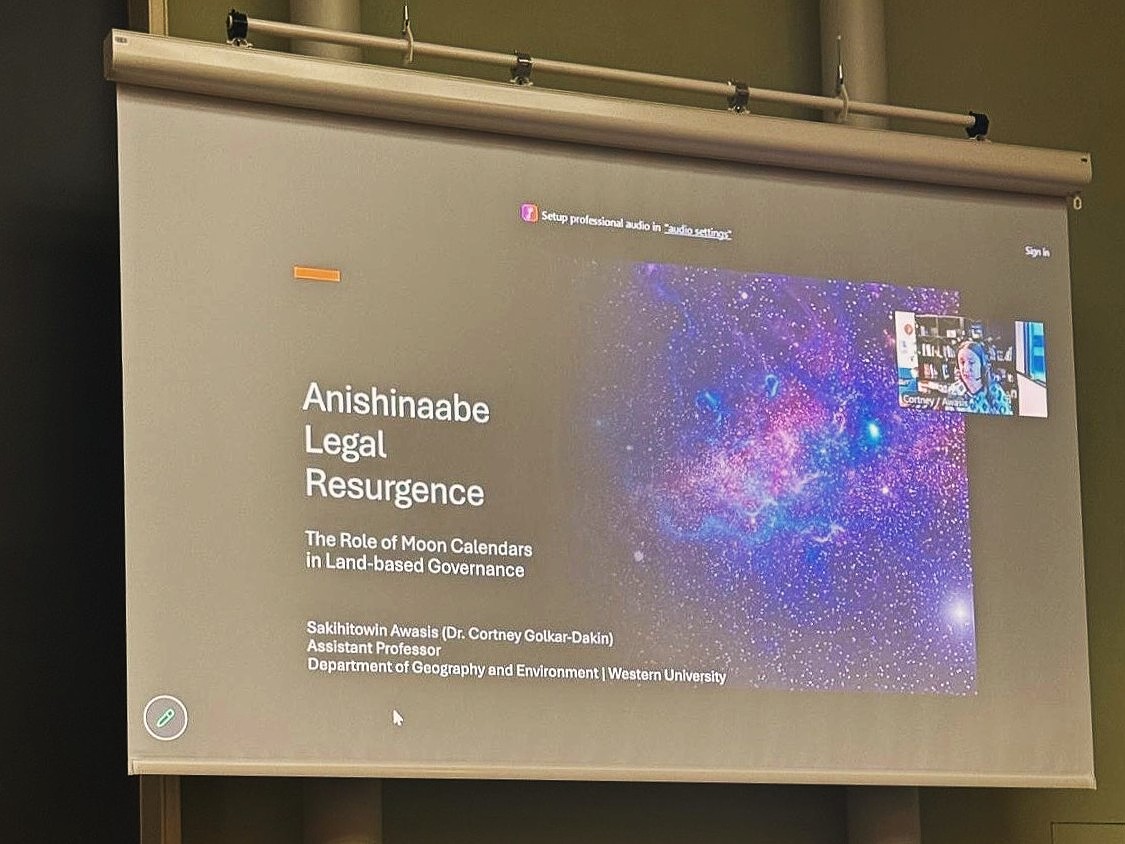
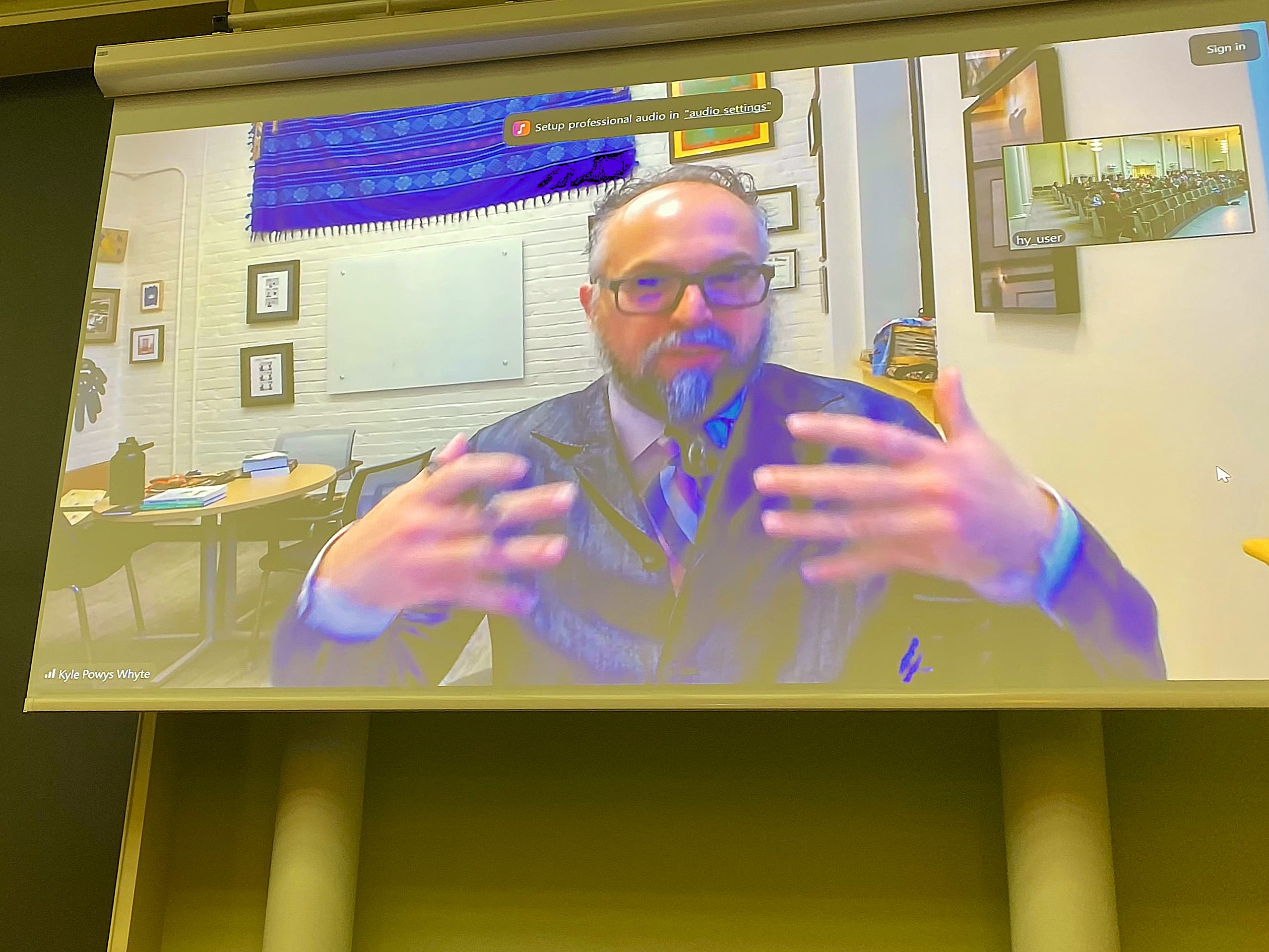
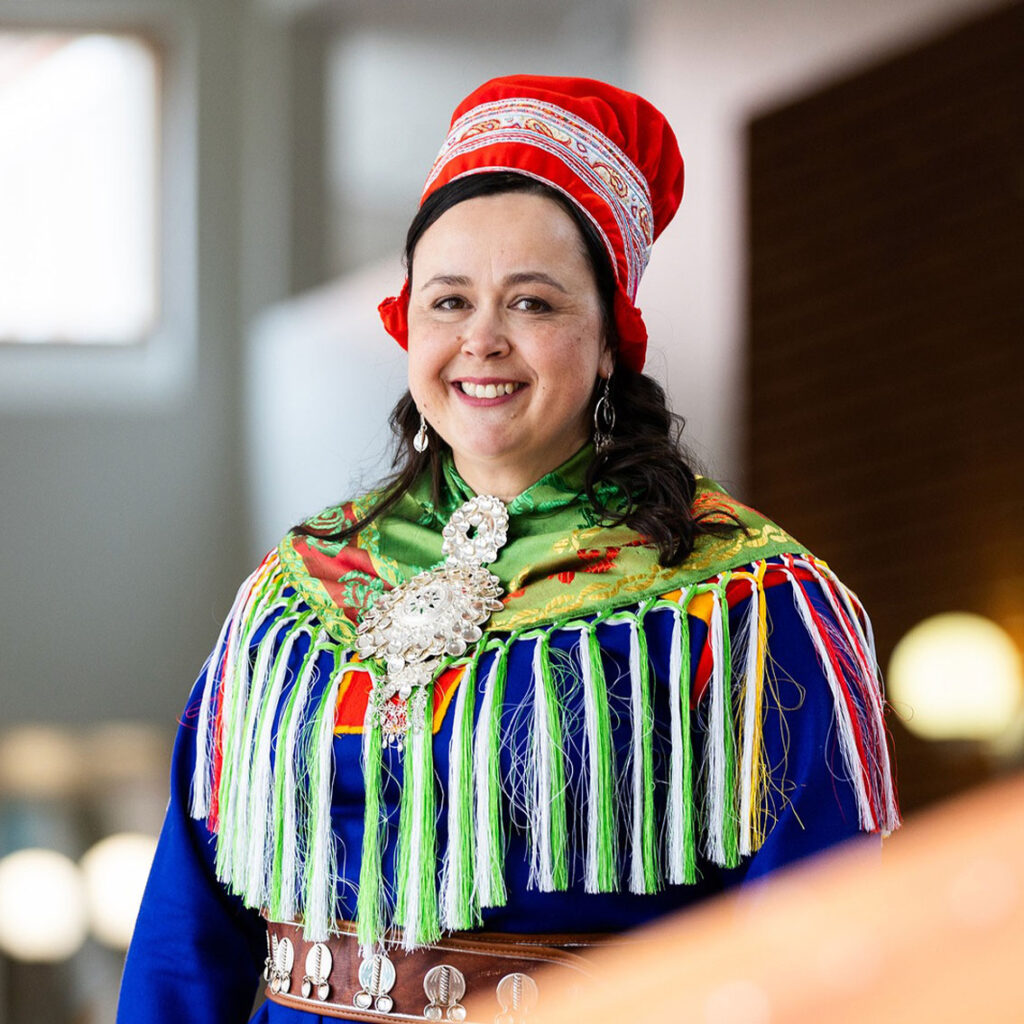
Speakers included Francisco Apurinã and Pirjo Kristiina Virtanen (University of Helsinki), Áile Aikio (University of Lapland), Jakop Janssønn (Arktisk Filharmoni) and Nicola Renzi (University of Helsinki), Victoria Soyan Peemot (University of Helsinki), Maria Fedina (University of Helsinki), Kyle Powys Whyte (University of Michigan), Sâkihitowin Awâsis (Western University) and Shandin Pete (University of British Columbia).
The symposium fostered lively conversations, with participants actively engaging in discussion during the sessions, breaks and reception. Strong attendance and enthusiastic participation demonstrated the growing interest in Indigenous knowledge systems and the relevance of multibeing perspectives for addressing pressing societal and environmental challenges. By connecting diverse voices and knowledge traditions, the symposium created new opportunities for dialogue, collaboration and future research.
We warmly thank all speakers, participants, partners and supporters who contributed to making the symposium such a memorable and successful event.
📸 Photos: Pirjo Kristiina Virtanen, Cintia Cruz Pereira, Victoria Soyan Peemot