Indigenous knowledge and higher education discussed at International Paris Colloquium
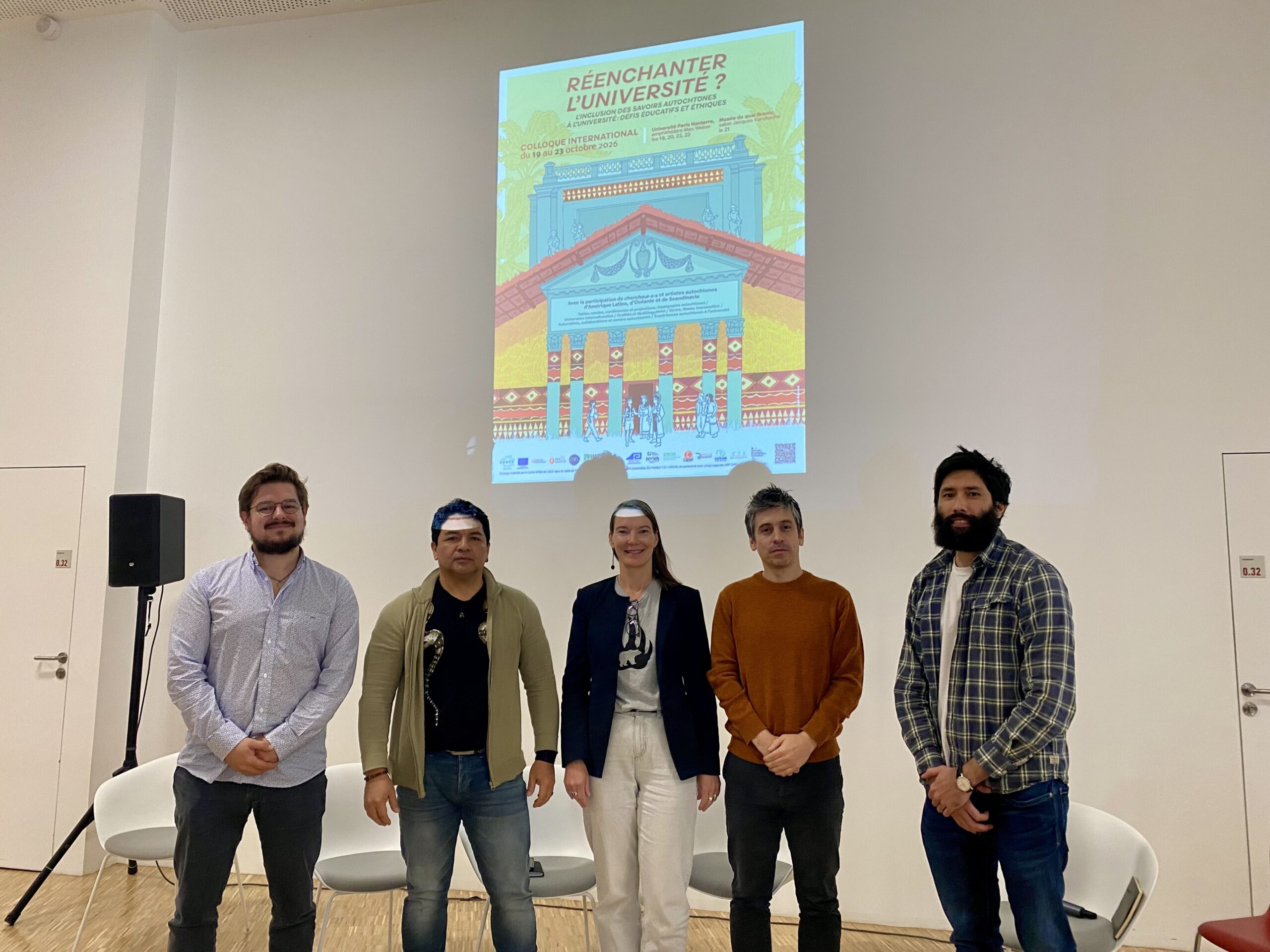
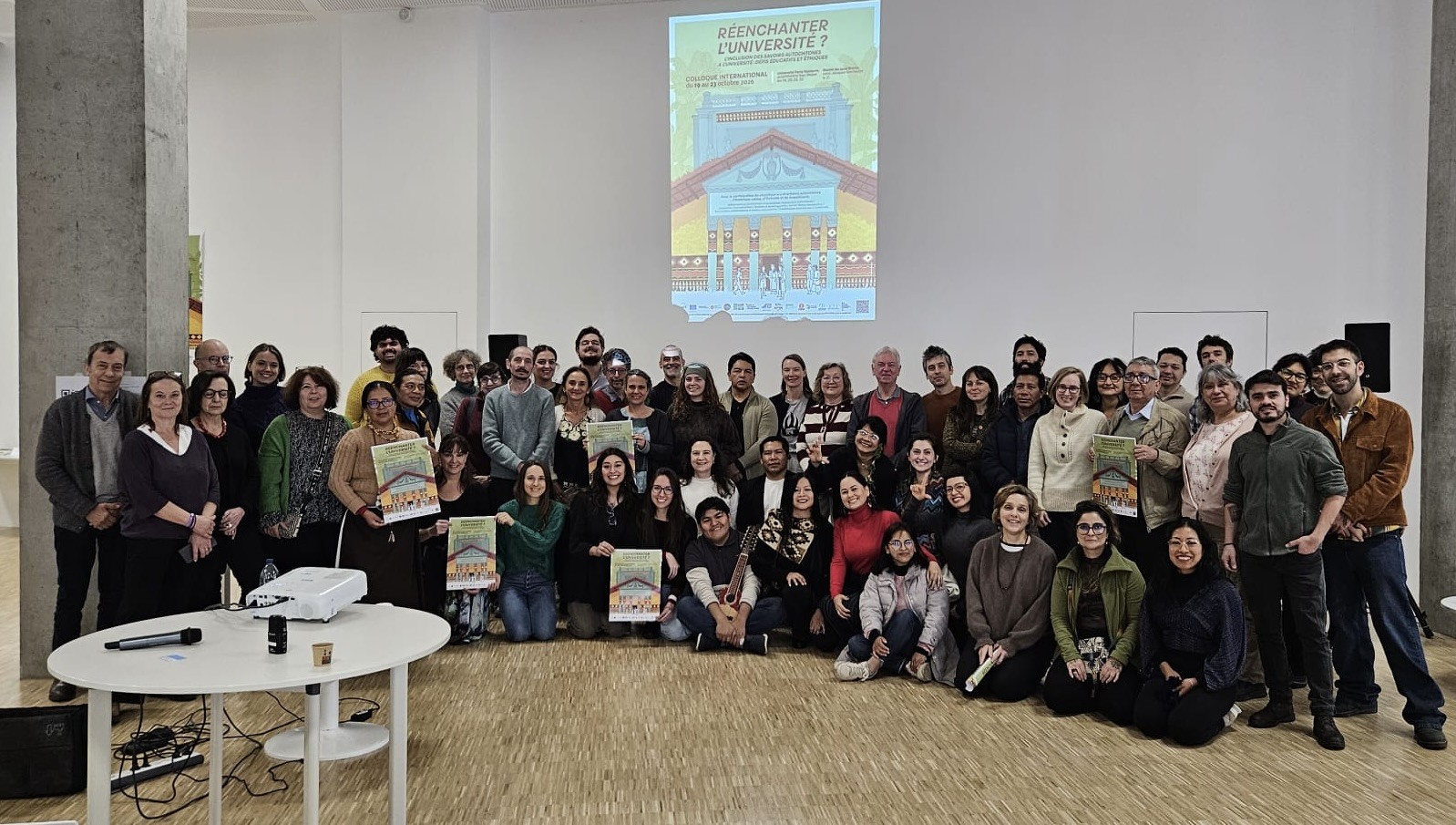
Our researchers Francisco Apurinã, Pirjo Kristiina Virtanen, Jelena Porsanger and Carl Mika contributed to international discussions on Indigenous knowledge systems, higher education and epistemological plurality at the international colloquium Re-Enchanting the University? The Inclusion of Indigenous Knowledges in the University, held in Paris on 19–23 October.
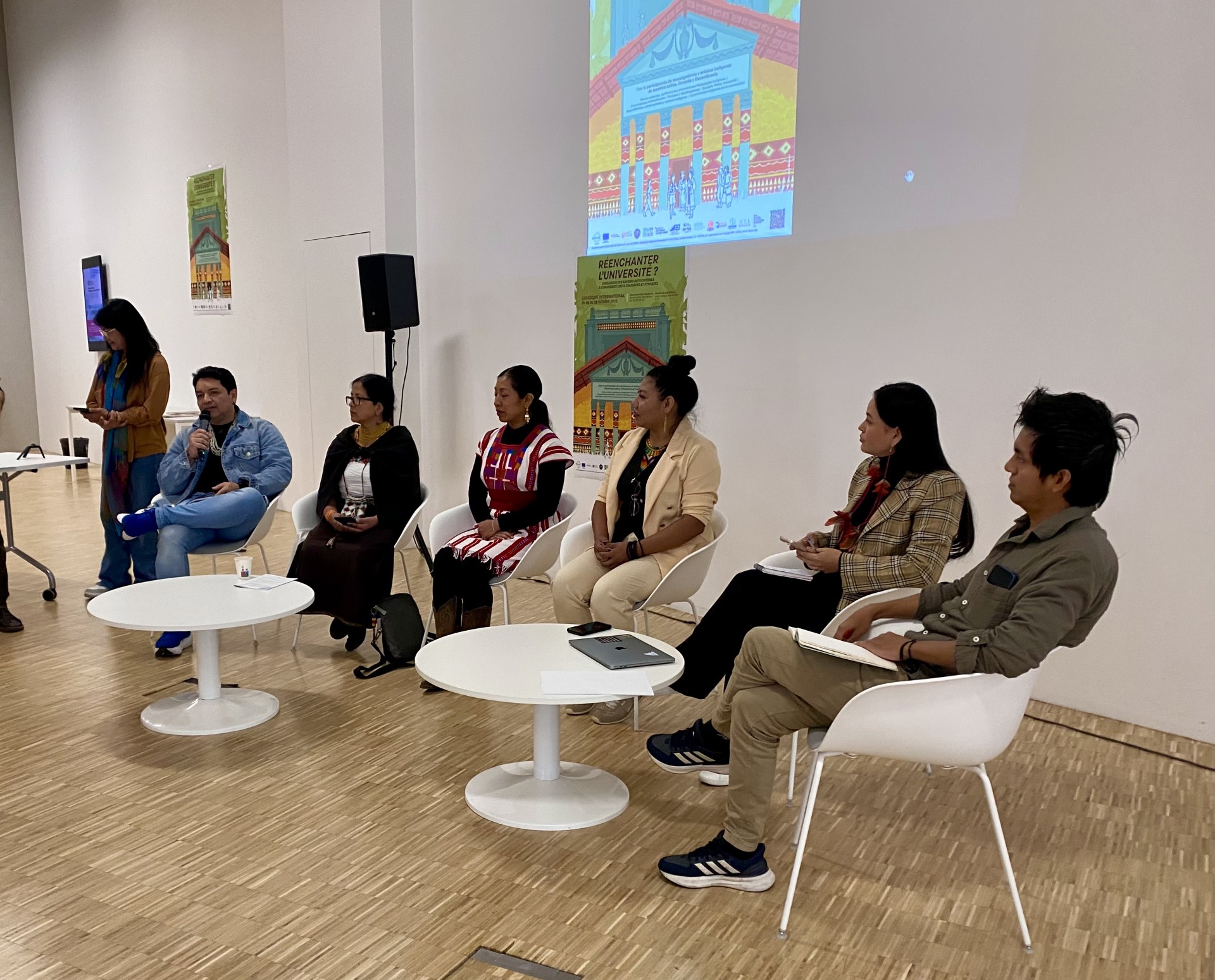
Our CoE was strongly represented at the international colloquium Re-Enchanting the University? The Inclusion of Indigenous Knowledges in the University, which brought together researchers, Indigenous scholars and higher education practitioners to examine the place of Indigenous knowledge systems in higher education, research and teaching.
Organised within the framework of the EDGES project (Entangling Indigenous Knowledges in Universities), the colloquium provided a space for critical dialogue on how universities can engage more meaningfully with diverse epistemologies and knowledge traditions, and on the future of Indigenous knowledges in academia.
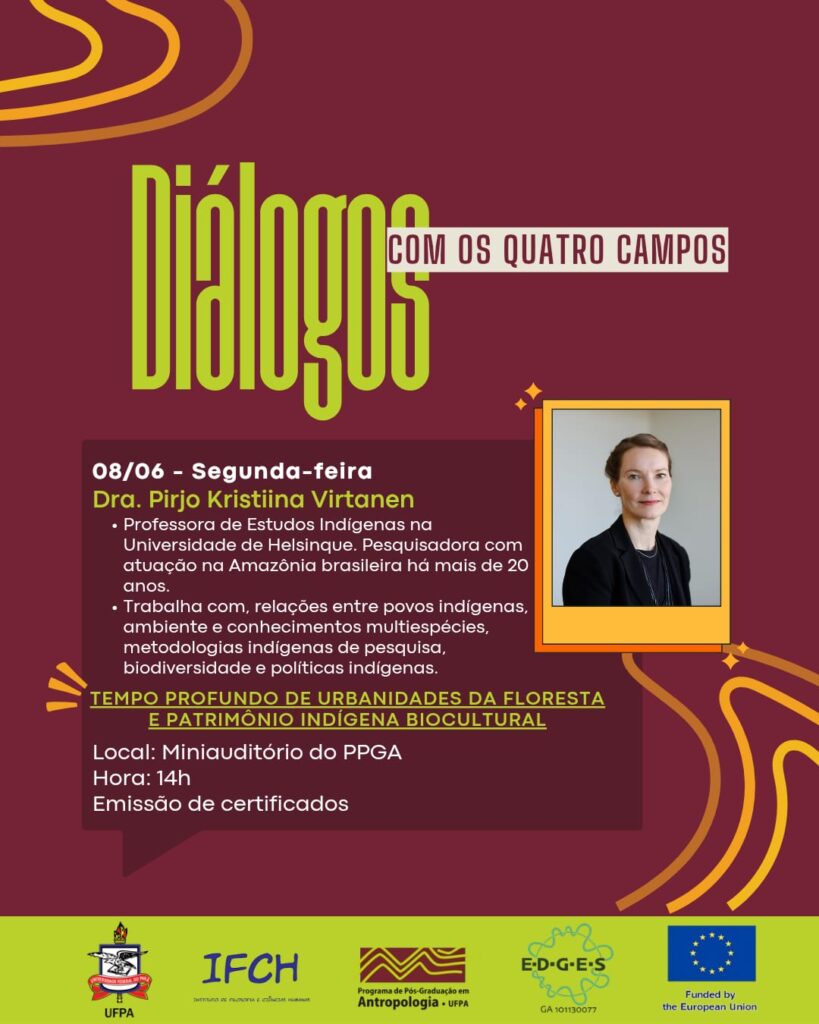
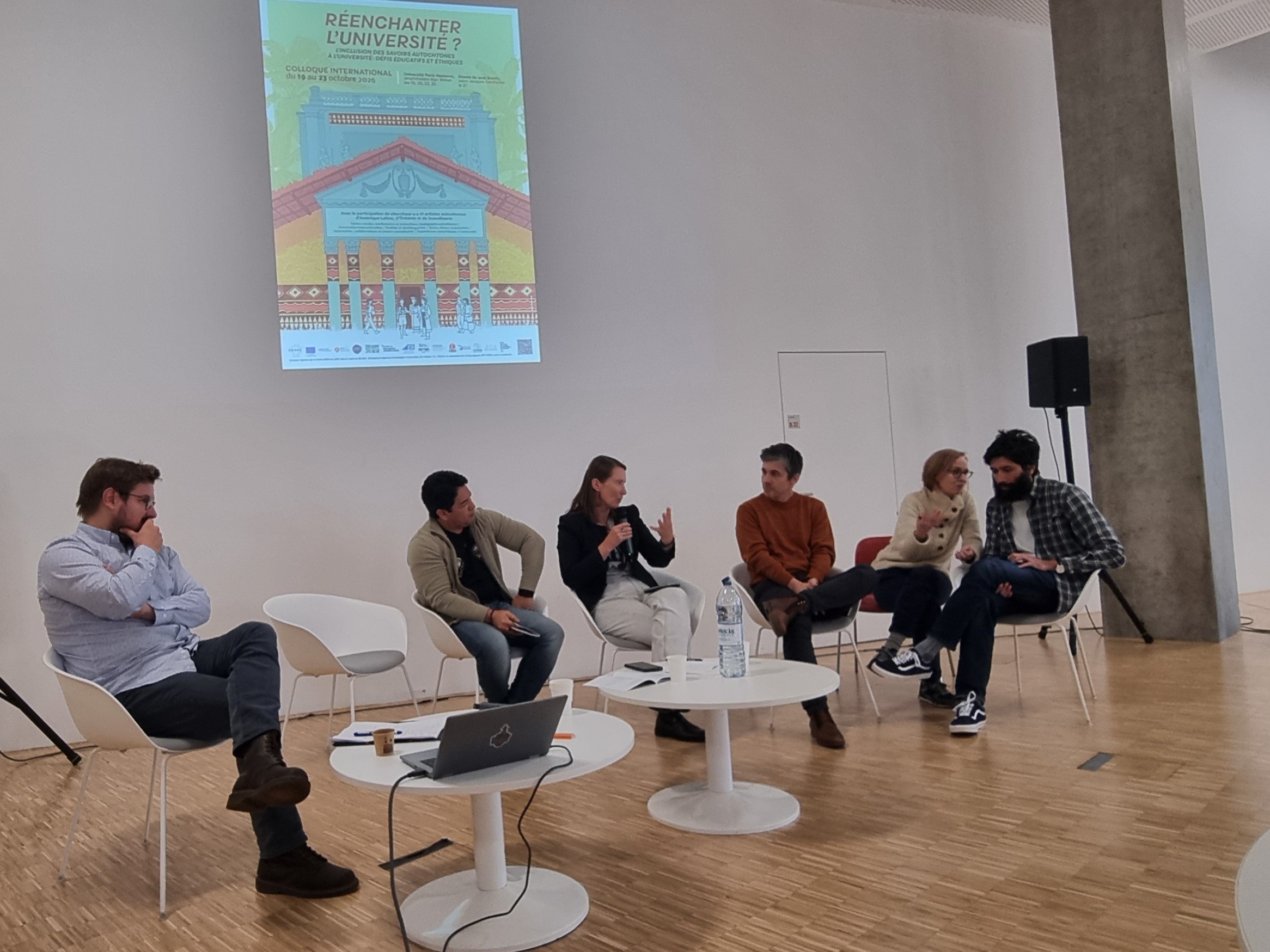
Among the contributors were Francisco Apurinã and Pirjo Kristiina Virtanen (University of Helsinki), whose presentation highlighted how their collaboration recognises diverse beings in the Amazon, the Purus River and beyond. Their paper, “Between Dialogues, Listening, and Pathways: Apurinã Ways of Producing Knowledge”, shared reflections on producing knowledge through active listening and relationships beyond the human.
Dr. Apurinã also talked in a panel on Indigenous experiences in academia together with researchers from Amazonia and prof. Virtanen commented Suely Maxacali’s film.
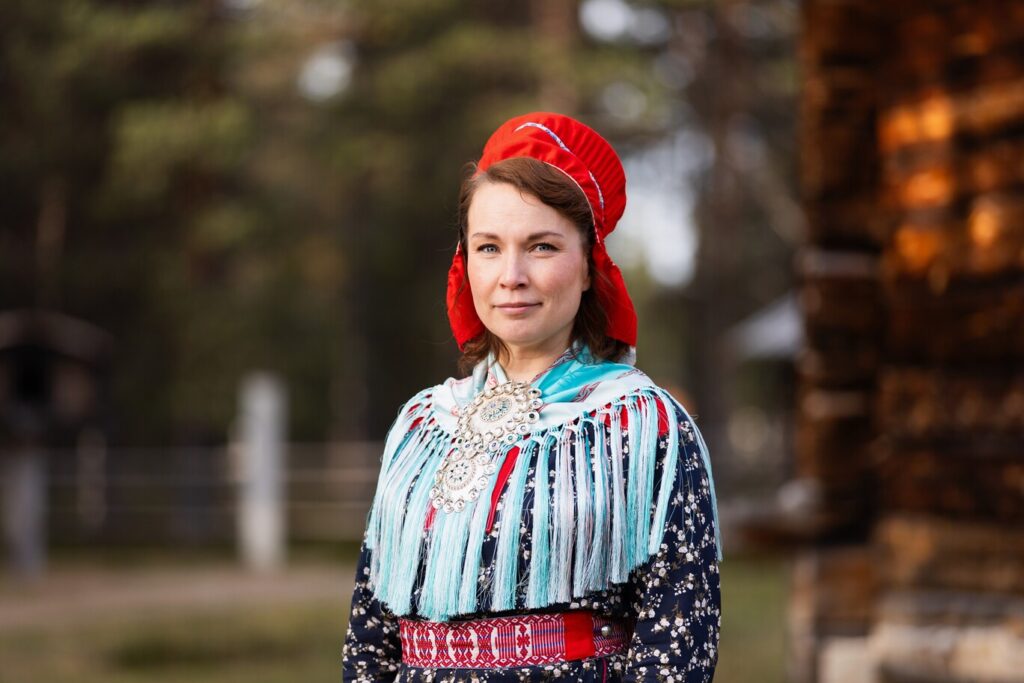
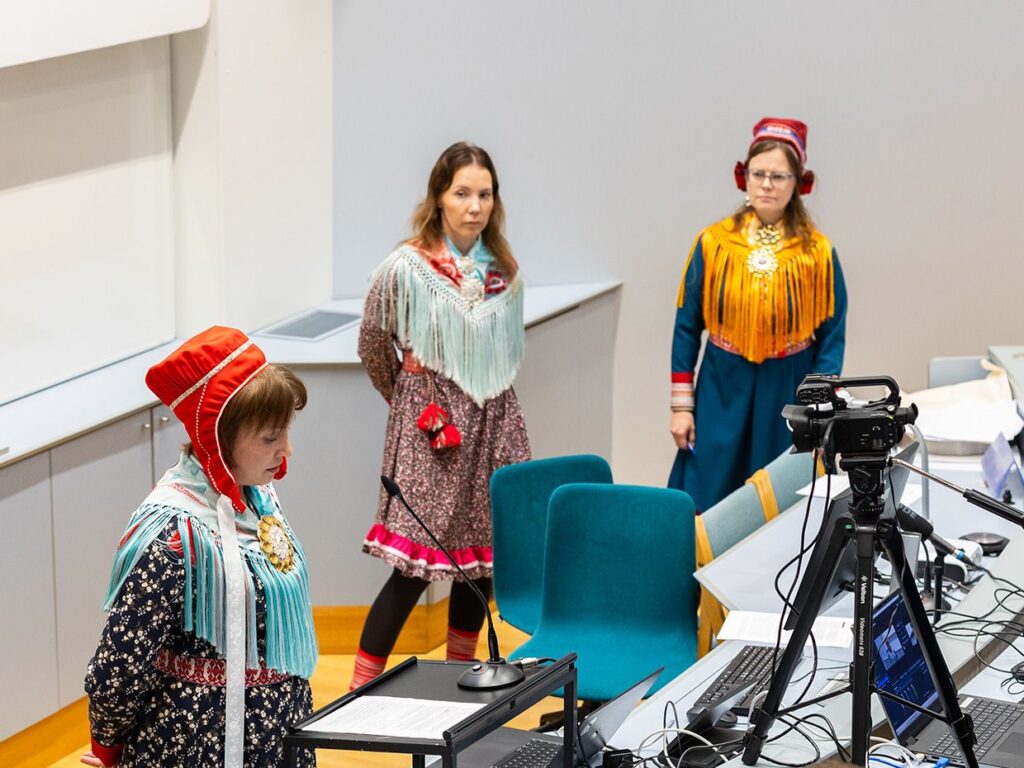
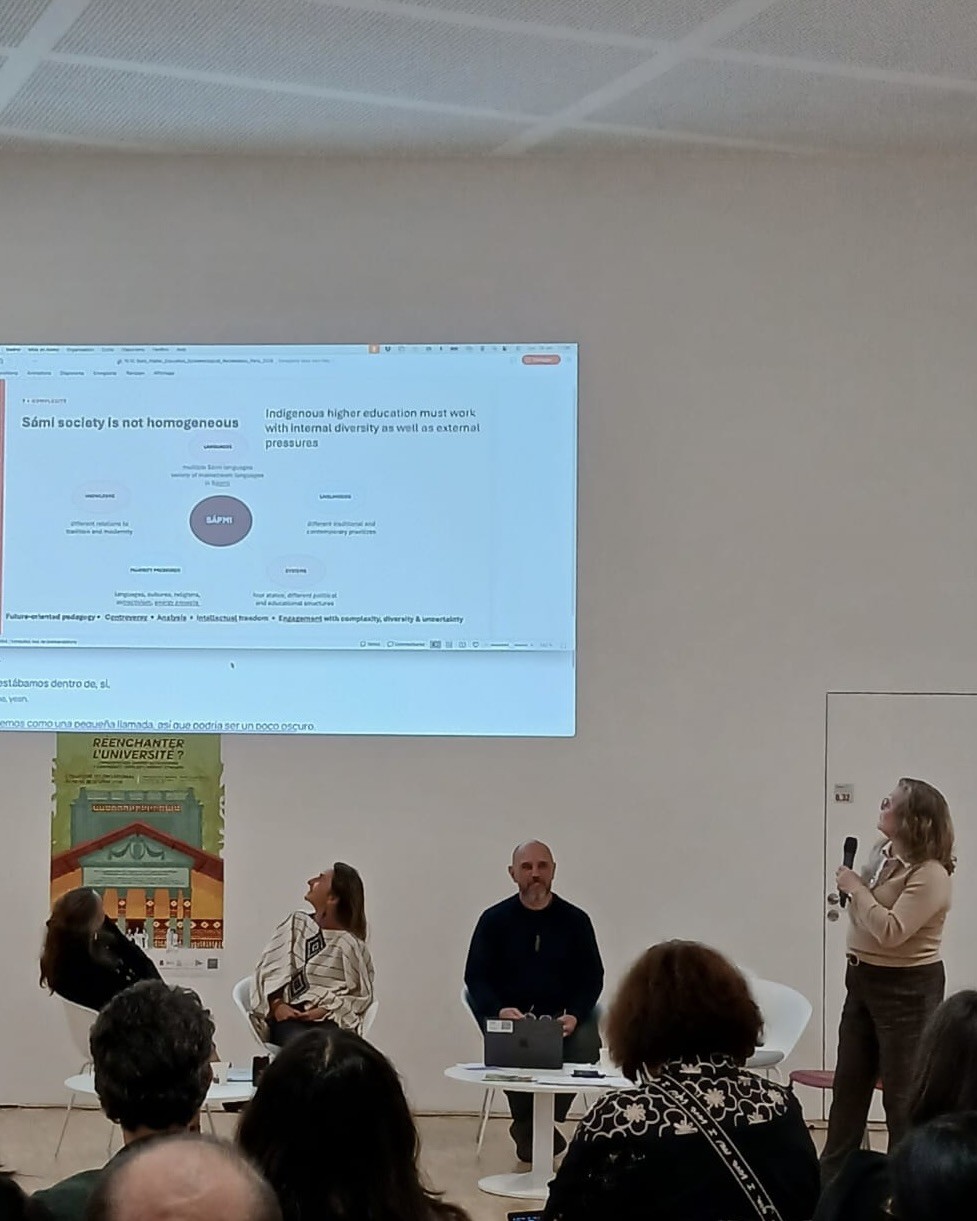
The conference also featured Jelena Porsanger (University of Helsinki / RiddoDuottarMuseat), who reflected on the development of Sámi higher education as a key component of Indigenous self-determination and epistemological reclamation. Additionally, our visiting professor Carl Mika (University of Canterbury) contributed perspectives on Māori philosophy research.
The discussions resonated strongly with MultiBEING’s mission to advance plural understandings of justice, knowledge and human–nature relations. By bringing together perspectives from the Amazon, Sápmi and Aotearoa, the conference highlighted the importance of creating academic spaces where multiple ways of knowing can coexist and flourish.
The dialogue will continue in May 2027 at the second WP 6 EDGES project conference, to be held in Helsinki.
Further information on the colloquium: https://edges.fcsh.unl.pt/workshop-re-enchanting-the-universitythe-inclusion-of-indigenous-knowledges-in-the-university-october-19-23-2026/
More information about the EDGES project: https://edges.fcsh.unl.pt/
📷 Photos: J. Prosanger, PK Virtanen, S. Macedo, L. Rossini