MultiBEING opening seminar with public lectures in Rovaniemi
The Centre of Excellence organises an opening seminar with public lectures on 1 September 2026, hosting four international professors as guest speakers at the University of Lapland, Rovaniemi.
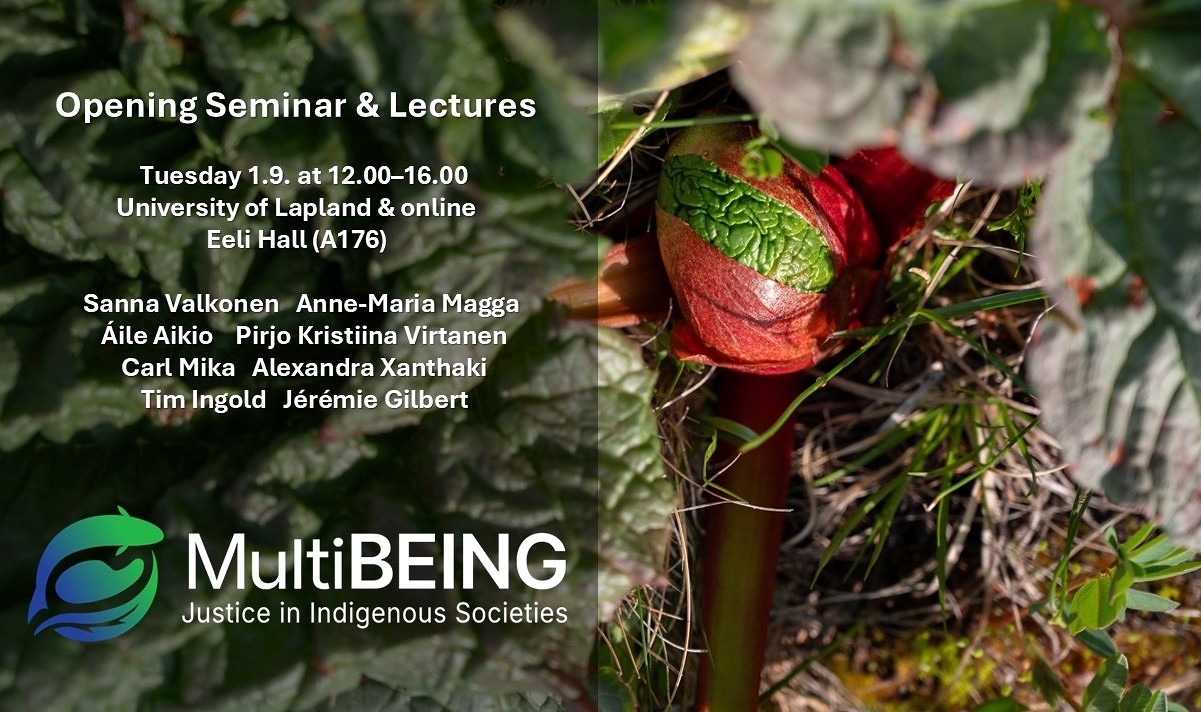
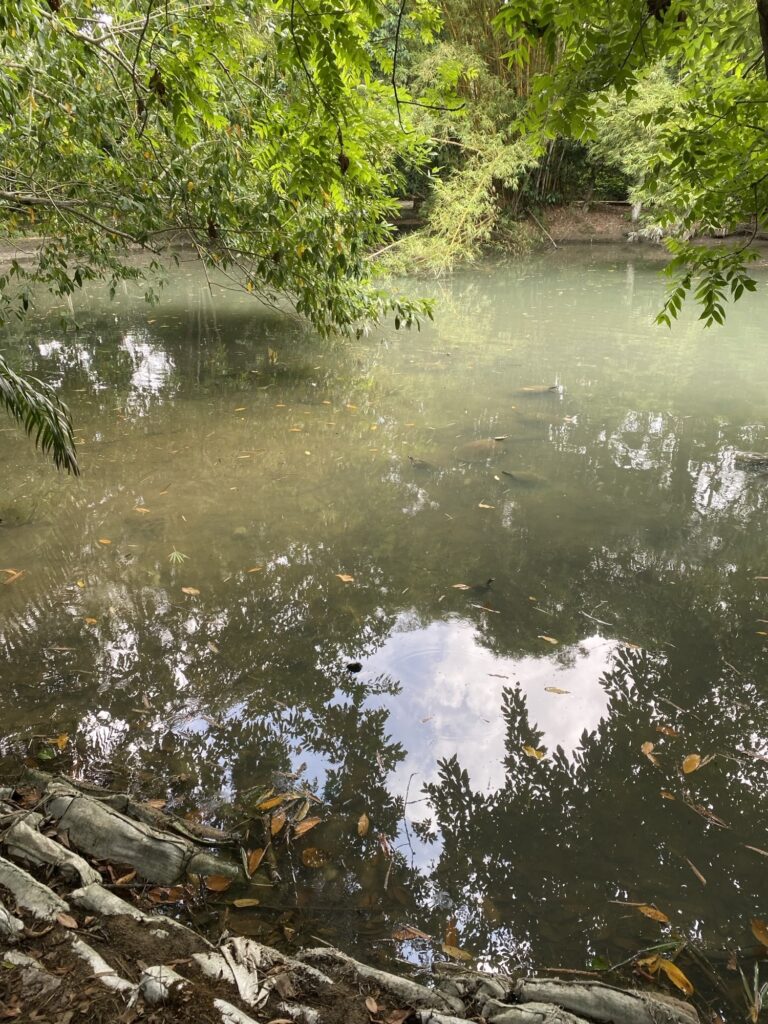
📸 Photo: Sarapsan (Rheum wild species in Tyvan). Photo credit: Victoria Soyan Peemot
Event description
At this seminar event, held in English, MultiBEING researchers will present their newly launched research programme, and international guest lecturers will offer broader perspectives on the CoE’s research themes.
Visiting speakers include Professor Carl Mika (University of Canterbury, New Zealand), whose research focuses on Māori and other Indigenous philosophies and ontologies. He will be followed by Professor Emeritus Tim Ingold (University of Aberdeen, UK), who is known for his work on rethinking the relationships between humans, the environment and the material world.
The second part of the event will feature Professor Alexandra Xanthaki (Brunel Law School, UK), who also serves as the UN Special Rapporteur in Cultural Rights, and Professor Jérémie Gilbert (University of Southampton, UK), who studies Indigenous land rights and ecological justice.
The lectures are open to everyone and can also be followed online via livestream.
Programme
12.00–12.15 Rector Antti Syväjärvi, University of Lapland: Opening Remarks
12.15–12.45 Introduction to MultiBEING Centre of Excellence
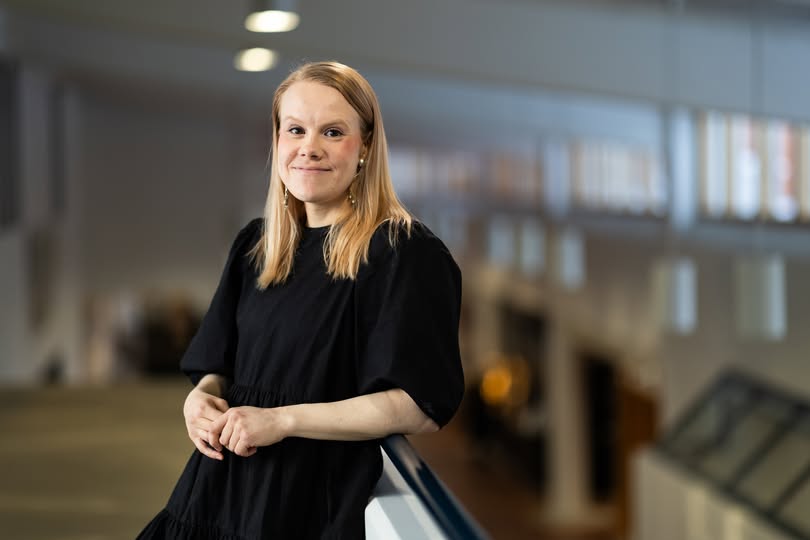
Professor Sanna Valkonen and postdoctoral researchers Áile Aikio and Anne-Maria Magga, University of Lapland
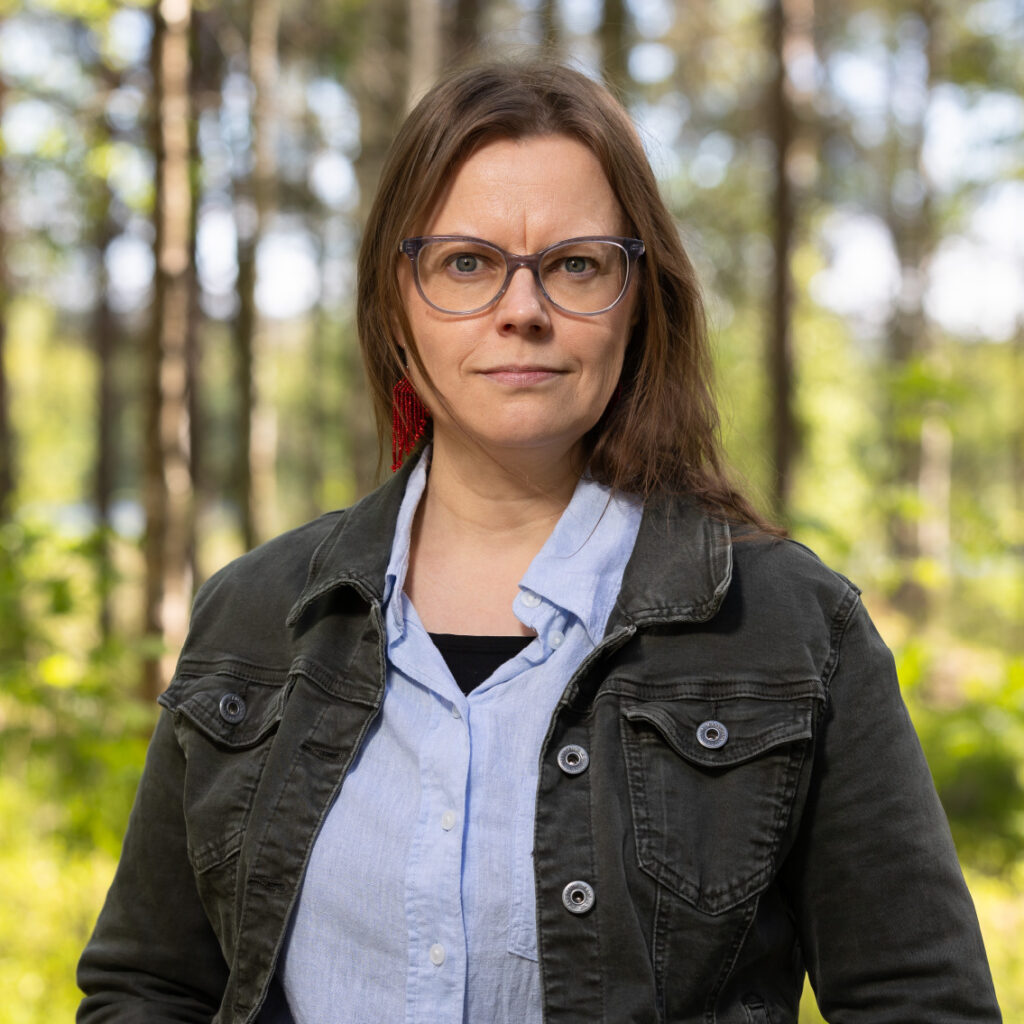
Professor Pirjo Kristiina Virtanen, University of Helsinki
12.45–14.00 Visiting lectures
Professor Carl Mika, University of Canterbury: Māori Logics and Justice: Being without Certainty
Professor Emeritus Tim Ingold, University of Aberdeen: For a New Humanism
14.00–14.30 Coffee break
14.30–15.45 Visiting lectures
Professor Alexandra Xanthaki, Brunel Law School, and UN Special Rapporteur in Cultural Rights: Multibeing Justice, Cultural Rights and Indigenous Rights: Exploring Connections (online)
Professor Jérémie Gilbert, University of Southampton: Indigenous Peoples’ Rights and the Rights of Nature: Convergences, Synergies and Limitations (online)
Event details
Date and time: Tuesday 1 September 2026, 12.00–16.00
Venue: Rovaniemi, University of Lapland, Eeli Hall (A176) and online
University of Lapland livestream: https://blogi.eoppimispalvelut.fi/ulapland/
Please note that the same livestream link is used for multiple events. Prior to the start of this event, the stream may display another event.
Biographies of the guest lecturers
Carl Mika is from the Tūhourangi iwi and is Professor of Māori and Indigenous Philosophies. He is committed to investigating Indigenous metaphysics and ontologies and has written on the issues of colonisation and reductionism. He is currently working on Māori concepts of nothingness and darkness in response to an Enlightenment focus on clarity and is exploring how they can form the backdrop to academic writing. He contributes to philosophical discussions surrounding mātauranga Māori and science. Professor Mika has experience teaching and researching in educational philosophy and mātauranga Māori, law, global studies, and aspects of Western philosophy. He has been a named investigator on both international and national research projects and values the collective thinking that can emerge from such collaborations. In 2024, he was awarded the University of Canterbury Research Medal. Also in 2024, he received the University of Canterbury Faculty of Arts Kairangahau Māori Award for research in Māori philosophies, both traditional and contemporary, and Māori methodologies. He is a Fellow of the Philosophy of Education Society of Australasia (PESA).
Tim Ingold is Professor Emeritus of Social Anthropology at the University of Aberdeen. He has carried out fieldwork among Saami and Finnish people in Lapland, and has written on environment, technology and social organisation in the circumpolar North, on animals in human society, and on human ecology and evolutionary theory. His more recent work explores environmental perception and skilled practice. Ingold’s current interests lie on the interface between anthropology, archaeology, art and architecture. His books include The Perception of the Environment (2000), Lines (2007), Being Alive (2011), Making (2013), The Life of Lines (2015), Anthropology and/as Education (2018), Anthropology: Why it Matters (2018), Correspondences (2020), Imagining for Real (2022) and The Rise and Fall of Generation Now (2024). Ingold is a Fellow of the British Academy and the Royal Society of Edinburgh. In 2022 he was made a CBE for services to Anthropology.
Alexandra Xanthaki is Professor of Laws at Brunel University of London, United Kingdom the UN Special Rapporteur in the field of cultural rights. Well-known for her work on the rights of Indigenous peoples, her work has zoomed in lately on the importance of cultural rights as a means to re-evaluate and really decolonise human rights standards. The broad definition of culture, the respect and space that non-prevailing cultural frameworks and their resources have to take, and the need for meaningful participation that includes FPIC have been her underlying thread in all her UN reports. Alexandra has received her doctorate from Keele University, UK; is a member of Athens Bar, and member of the Oxford human rights faculty.
Jérémie Gilbert is Professor and a legal scholar with expertise on the interaction between human rights and ecological justice. As a legal advocate, he has been supporting several Indigenous communities going to courts, providing expert witness statements, affidavits and evidence in several cases of international litigation. Prof. Gilbert regularly serves as an expert for the United Nations, notably the Expert Mechanism on the Rights of Indigenous Peoples, and the Division for Inclusive Social Development, and he also works with several non-governmental organisations, he is a strategic international legal advisor with Lawyers for Nature, he is a board member of the Peoples Planet Project an organisation assisting Indigenous communities through documentaries and participatory films; a trustee of the International Lawyers project; and a strategic advisor for the Clean Trade, an organisation working to support peoples’ rights over their natural resources against blood Oil and conflict minerals. He has recently led the establishment of the Interdisciplinary Network on the Rights of Nature.